The Ultimate Guide to SEO Optimization for Your Website (2026 Edition)
In the digital age, having a beautiful website is only half the battle. If your target audience can't find you, your design efforts won't translate into business results. That's where Search Engine Optimization (SEO) comes in.
This comprehensive guide will walk you through the essential strategies to optimize your website for modern search engines like Google, covering everything from technical foundations to advanced content strategies.
1. Technical SEO: The Bedrock of Ranking
Technical SEO ensures that search engines can crawl, index, and understand your website without issues. It's the infrastructure upon which your content strategy sits. Without a solid technical base, even the best content will struggle to rank.
Core Web Vitals & Speed Performance
Google's Core Web Vitals are a set of metrics that measure real-world user experience. They are a confirmed ranking factor. A fast site isn't just a "nice to have"—it's a requirement.
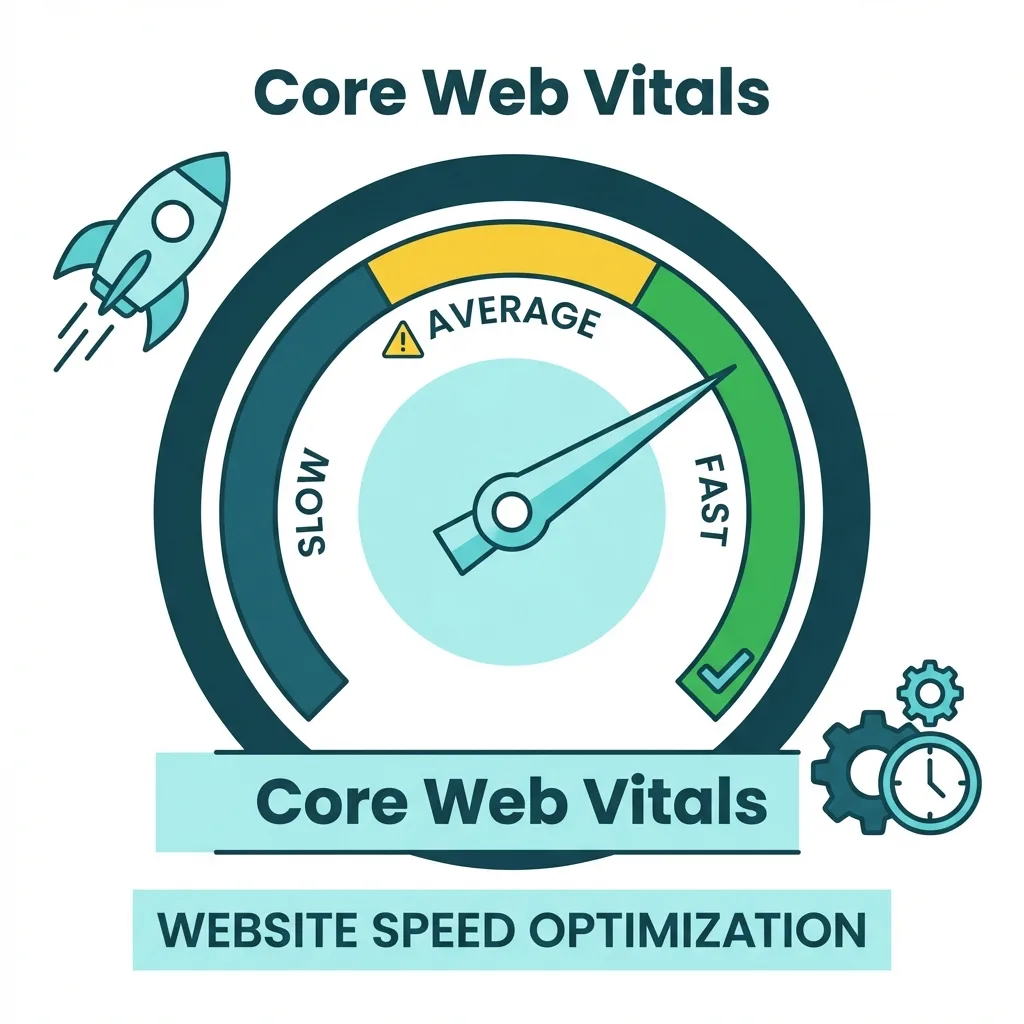
- Largest Contentful Paint (LCP): Measures loading performance. Aim for 2.5 seconds or faster. To improve this, optimize images, use a CDN, and minimize render-blocking JavaScript.
- First Input Delay (FID): Measures interactivity. Aim for less than 100 milliseconds. Breaking up long tasks and optimizing event handlers helps here.
- Cumulative Layout Shift (CLS): Measures visual stability. Aim for less than 0.1. Always set width and height attributes for images to prevent layout shifts.
Pro Tip: Use Enkindl's optimized code generation to ensure your React components are performant out of the box. Our platform automatically splits code and optimizes asset delivery.
Mobile-First Indexing
With mobile-first indexing, Google predominantly uses the mobile version of the content for indexing and ranking. If your desktop site is perfect but your mobile site is clunky, you will not rank.
- Ensure your site uses a responsive design that adapts seamlessly to all screen sizes.
- Test your site with Google's Mobile-Friendly Test tool.
- Avoid using larger font sizes or tap targets that are too close together on mobile.
SSL Security (HTTPS)
Security is a top priority. Ensure your site is served over HTTPS to protect user data and gain a slight ranking boost. Browsers now label non-HTTPS sites as "Not Secure," which can kill conversion rates instantly.
XML Sitemaps & Robots.txt
- XML Sitemap: A roadmap for search engines. It lists all your important URLs. Submit this via Google Search Console.
- Robots.txt: A text file that tells crawlers which pages to access and which to ignore. Use it to block admin pages or duplicate content.
2. On-Page SEO: Speaking Google's Language
On-page SEO involves optimizing individual web pages to rank higher and earn more relevant traffic. It's about speaking the same language as your users and the search algorithms.
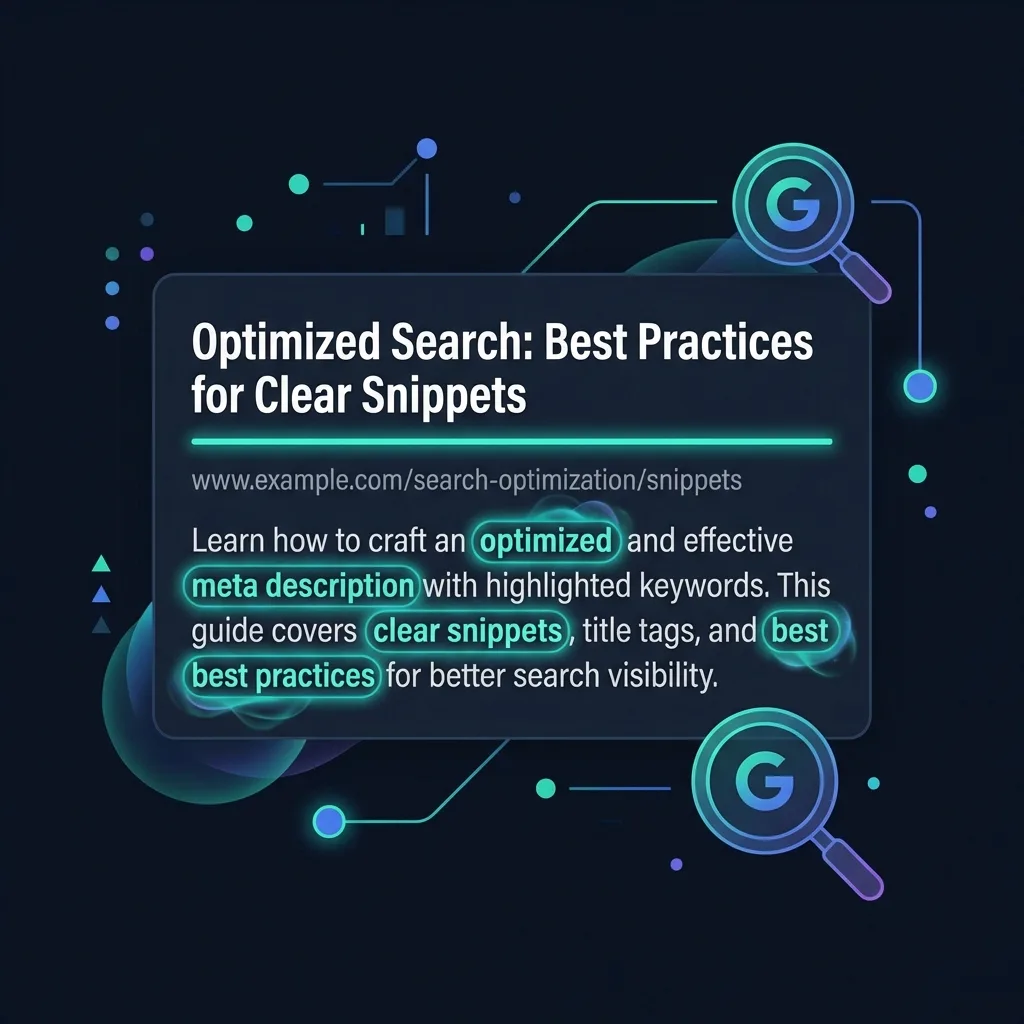
Optimizing Search Snippets (CTR Optimization)
Your search snippet is your first impression in Google results. It determines whether a user clicks your link or scrolls past it.
Advanced Keyword Strategy
Don't just guess what users are searching for. Use tools like Ahrefs, SEMrush, or Google Keyword Planner to find relevant keywords with high search volume and low competition.
- Primary Keyword: Focus on one main keyword per page. Use it in your H1, first paragraph, and URL.
- Long-tail Keywords: Target specific, longer phrases (e.g., "AI web builder for startups" instead of just "web builder"). These often have higher conversion rates because they capture specific intent.
- LSI Keywords (Latent Semantic Indexing): Use terms conceptually related to your main topic—to help Google understand the context. For example, if you're writing about "Apple", words like "fruit", "pie", and "orchard" tell Google you aren't talking about the tech giant.
Schema Markup (Structured Data)
Schema markup is code that you put on your website to help the search engines return more informative results for users. It powers Rich Snippets like:
- Star ratings
- Product prices
- FAQ sections
- Event dates
Using JSON-LD to implement schema is a powerful way to stand out in SERPs.
Header Tags Hierarchy
Structure your content logically.
- H1: Your main title. Only one per page.
- H2: Major sections.
- H3: Subsections.
This establishes a clear hierarchy, making it easier for Google to parse your content's structure.
3. Content Strategy: Quality Over Quantity
Content is still King. But "content" doesn't just mean text—it means value.
- E-E-A-T: Experience, Expertise, Authoritativeness, and Trustworthiness. Google looks for these signals. Show author bios, cite reputable sources, and write in-depth coverage.
- Search Intent: Match the type of content to what the user wants. Are they looking to buy (Transactional), learn (Informational), or find a specific page (Navigational)?
- Evergreen Content: Create content that remains relevant over time. "How to tie a tie" is evergreen; "News about the 2024 Olympics" expires.
4. Off-Page SEO: Building Authority
Off-page SEO refers to actions taken outside of your own website to impact your rankings. It's essentially building your site's reputation in the digital neighborhood.

The Power of Backlinks
High-quality backlinks from reputable websites are one of the most important ranking factors. They act as "votes of confidence" for your site.
- Content Marketing: Create high-quality, shareable content (infographics, detailed guides, original research) that people naturally want to link to.
- Guest Posting: Write for other industry blogs in your niche to build relationships and earn links.
- Broken Link Building: Find broken links on other sites and suggest your content as a replacement.
Social Signals
While social shares aren't a direct ranking factor, they increase visibility. More eyeballs on your content means more potential for backlinks and brand searches.
5. Local SEO & Voice Search
Local SEO
If you have a physical business, Local SEO is critical.
- Claim your Google Business Profile.
- Ensure your NAP (Name, Address, Phone) is consistent across the web.
- Encourage customer reviews.
Voice Search Optimization
With the rise of Siri and Alexa, voice search is growing.
- Target question-based queries ("How do I...", "Where is...").
- Use conversational language.
- Aim for "Position Zero" (Featured Snippets) by giving concise answers to common questions.
6. Monitoring and Tools
SEO is an ongoing process. Use tools to track your performance.
- Google Search Console: Monitor indexing status and search queries.
- Google Analytics 4 (GA4): Track user behavior and conversions.
- Screaming Frog: A crawler tool to find technical errors like broken links.
Conclusion
SEO is not a one-time task but a continuous journey. By focusing on a strong technical foundation, creating high-quality, user-focused content, and building authority through backlinks, you can drive sustainable organic traffic to your website.
Start implementing these strategies today, and watch your rankings climb!